
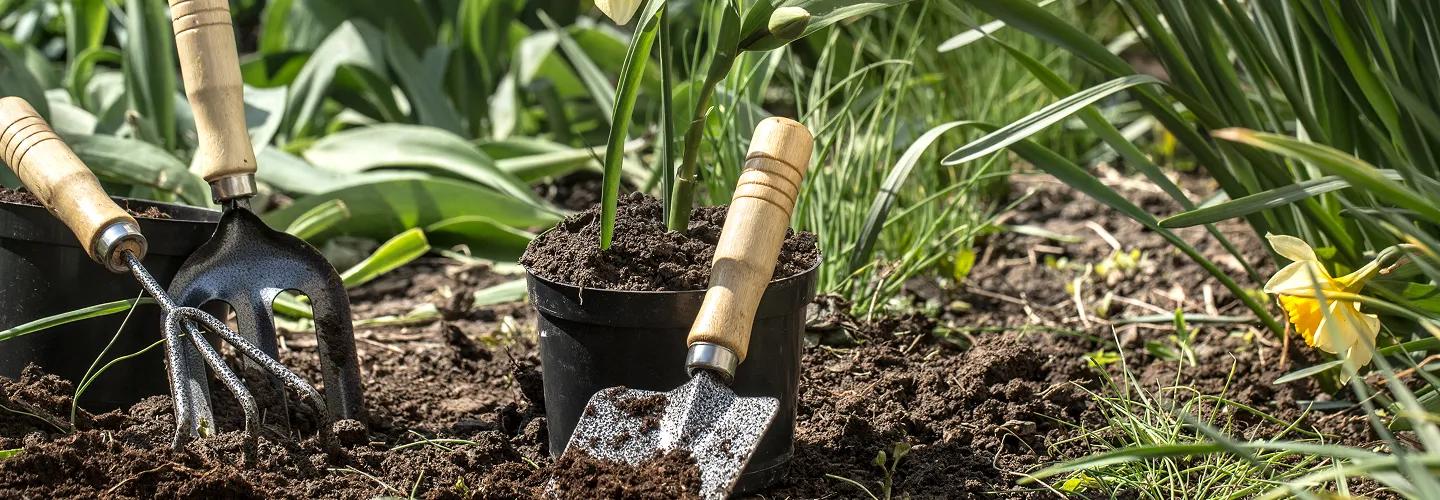
Barrington Green Waste Disposal Services
Choose our Green Waste Disposal for reliable, environmentally responsible service that keeps your property clean and helps protect our community’s natural beauty.
Get a Free QuoteOur Barrington Landscaping & Yard Care Services
When to Schedule Green Waste Disposal in Barrington, IL – Seasonal Guide
In Barrington, IL, the optimal times for green waste disposal are closely tied to the area’s distinct seasonal changes and local landscape features. Spring and fall are typically the busiest periods, as residents in neighborhoods like Fox Point and Jewel Park clear away winter debris or prepare their yards for the colder months. The timing of your green waste disposal should consider Barrington’s average last frost date in late April and the first frost in mid-October, as these mark the transitions for major yard cleanups.
Local environmental factors such as the region’s clay-heavy soils, variable humidity, and the dense shade from mature oaks and maples in areas like Citizens Park can influence how quickly organic debris accumulates and decomposes. Additionally, periods of drought or heavy rainfall—common in the Midwest—can affect the volume and type of green waste generated. Always check for municipal guidelines and seasonal collection schedules, which are available on the Village of Barrington, Illinois Official Website, to ensure compliance and efficient service.
Benefits of Green Waste Disposal in Barrington

Eco-Friendly Landscaping Solutions
Efficient Green Waste Removal
Promotes Healthy Lawns and Gardens
Reduces Landfill Waste
Supports Local Sustainability
Convenient Scheduling Options
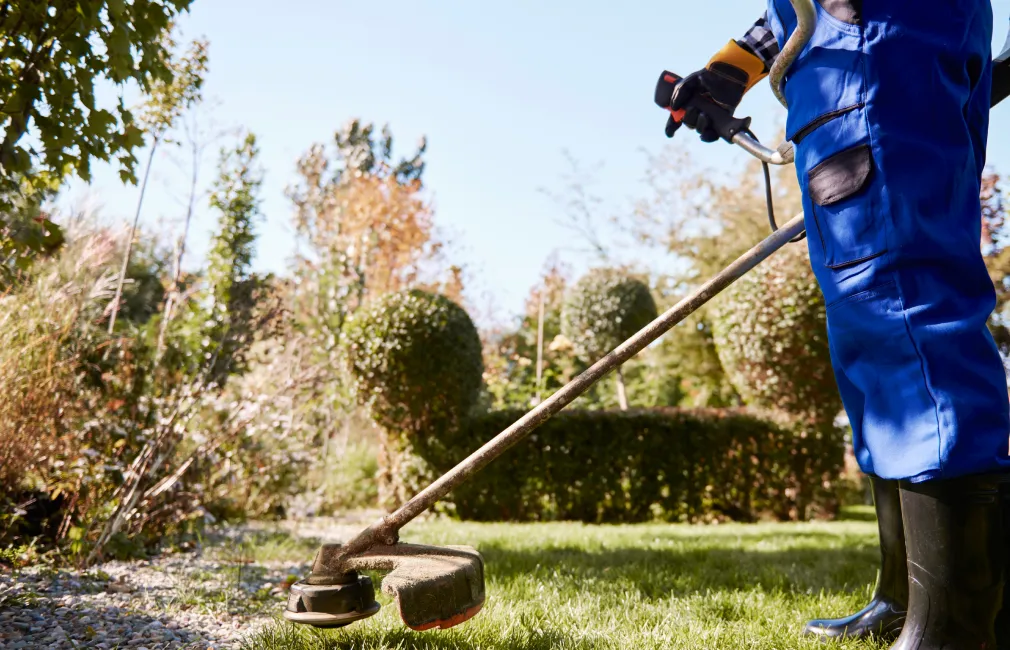
Barrington Green Waste Disposal Types

Grass Clippings
-
Tree Branches
-
Shrub Trimmings
-
Leaves Collection
-
Garden Debris
-
Mulch Disposal
-
Sod and Soil Removal
Our Green Waste Disposal Process
Collection of Green Waste
Sorting and Separation
Transport to Disposal Facility
Eco-Friendly Processing
Why Choose Barrington Landscape Services
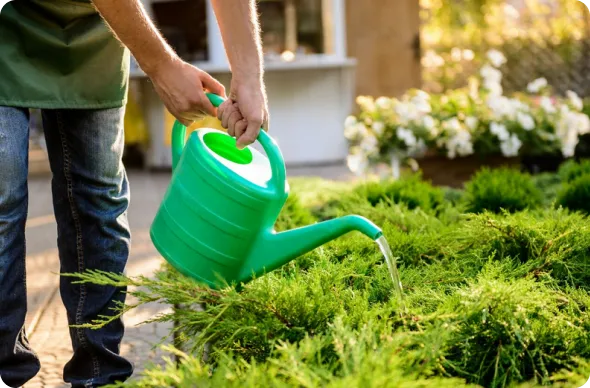
-
Barrington Homeowners Trust Us
-
Expert Lawn Maintenance
-
Reliable Seasonal Cleanups
-
Competitive Pricing
-
Professional Team
-
Satisfaction Guarantee
-
Personalized Service
Contact Barrington's Department of Public Works for Seasonal Green Waste Collection & Municipal Composting Programs
Barrington offers a robust seasonal green waste collection program, typically running from early April through late November, with weekly curbside pickup by neighborhood. Residents should place biodegradable paper bags or properly bundled brush at the curb by 7:00 a.m. on collection day, ensuring materials are at least three feet from storm drains and utility boxes. During peak fall leaf season, collection frequency may increase to accommodate higher volumes. The Village also provides a municipal composting initiative, with finished compost available for community gardens and resident pickup during spring and fall events. The Transfer Station accepts organic waste during posted hours, requiring a resident permit or sticker, with volume limits and nominal fees per load. Special services include brush and branch pickup (bundles up to 4 feet long, 50 pounds), Christmas tree collection in January, and emergency storm debris management. For detailed schedules, preparation requirements, and permit information, contact:
Barrington Public Works Department
200 S. Hough Street, Barrington, IL 60010
Phone: (847) 381-7903
Official Website: Barrington Public Works Department
Understanding Green Waste Volume & Decomposition Dynamics in Barrington's Prairie Clay & Glacial Till Soils
Barrington's landscape is shaped by prairie clay and glacial till soils, as identified by the USDA Web Soil Survey. These soils are moderately to poorly drained, with high clay content that slows organic matter decomposition, especially during wet springs and after heavy rainfall. The community's mature tree canopy—dominated by oaks, maples, elms, ash, and honey locust—produces significant seasonal green waste, particularly in autumn and after severe weather. Illinois' climate, with its long growing season, variable precipitation, and freeze-thaw cycles, further influences green waste generation and collection timing. Dense vegetation and heavy clay soils can lead to rapid organic accumulation and drainage challenges, requiring careful management to prevent flooding and promote efficient decomposition. Urban heat island effects in developed areas may accelerate breakdown, while floodplain and wetland-adjacent neighborhoods face unique timing and access considerations.
Barrington's Implementation of Illinois Organic Waste Management Requirements for Residents
Illinois law, under the Illinois Environmental Protection Act, prohibits yard waste disposal in landfills and mandates organic waste diversion. Barrington enforces these requirements through its curbside collection and composting programs, providing resident education on proper sorting and preparation. Commercial landscapers and institutions must comply with additional diversion and reporting standards. The Village coordinates with regional composting facilities and tracks waste diversion rates, with enforcement actions for non-compliance such as warnings or fines. Resident outreach includes annual mailers, website updates, and workshops on sustainable practices. Oversight by the Illinois Environmental Protection Agency ensures facility permitting, compliance monitoring, and technical support for municipal programs. Community composting initiatives and partnerships with local organizations further support Barrington's landfill diversion and sustainability goals.
Proper Preparation & Sorting of Green Waste Materials for Barrington's Collection Programs
Residents must follow specific guidelines to ensure efficient and compliant green waste collection:
- Acceptable materials: grass clippings, deciduous and evergreen leaves, garden debris, brush and branches (under 4 feet, 50 lbs), pumpkins, Christmas trees, holiday greenery, hedge trimmings, weeds
- Prohibited materials: treated lumber, construction debris, diseased plants, invasive species (buckthorn, honeysuckle, garlic mustard), contaminated organics, stumps, roots, soil, rocks, plastic containers
- Preparation: use biodegradable paper bags for loose materials, bundle branches with natural twine, remove all plastic, wire, and non-organic debris, and avoid overfilling bags to prevent breakage
- Storm debris: separate organic from construction materials, follow emergency collection instructions, and prioritize safety during cleanup
Place materials curbside by 7:00 a.m. on collection day, ensuring clear access for collection vehicles and compliance with contamination prevention protocols. For detailed preparation instructions, contact:
Barrington Public Works Department
200 S. Hough Street, Barrington, IL 60010
Phone: (847) 381-7903
Official Website: Barrington Public Works Department
Barrington Environmental Compliance Guidelines for Green Waste Management Near Protected Areas
Green waste activities near Barrington's streams, wetlands, and conservation areas are subject to additional oversight to protect sensitive habitats. Buffer zones restrict green waste placement within designated distances of water bodies, and natural leaf retention may be required in conservation areas to support soil health and wildlife. Invasive species must be bagged separately and disposed of according to municipal and Illinois Department of Natural Resources guidelines to prevent spread. Seasonal restrictions may apply during bird nesting periods, and natural debris may be left in place in certain areas to provide wildlife shelter. Coordination with municipal biodiversity and restoration programs ensures compliance and supports Barrington's conservation goals. For site-specific guidance, contact:
Barrington Development Services Department
200 S. Hough Street, Barrington, IL 60010
Phone: (847) 304-3460
Official Website: Barrington Development Services Department
Protecting Barrington's Water Quality Through Green Waste Management & NPDES Stormwater Compliance
Proper green waste management is essential for protecting Barrington's water resources, including Flint Creek, Baker's Lake, and local wetlands. The Village operates under the EPA NPDES MS4 permit, requiring measures to prevent organic matter from entering storm drains and waterways. Residents should avoid placing green waste near storm inlets and follow staging guidelines to prevent runoff. Composting and mulching reduce nutrient loading (nitrogen, phosphorus) that can cause algae blooms and oxygen depletion in local waters. These practices also support soil health, carbon sequestration, and reduced landfill methane emissions, aligning with Barrington's climate action and sustainability initiatives. For more information on water quality protection, visit the Clean Water Act and U.S. EPA Region 5.
On-Site Green Waste Management: Composting, Mulching & Sustainable Practices in Barrington
Residents are encouraged to adopt sustainable on-site green waste practices, following local regulations:
- Compost bins/piles must be set back 10-20 feet from property lines and 50-100 feet from wells or water supplies
- Bin size limits and management techniques (turning, moisture control, carbon-to-nitrogen ratio) prevent odors and pests
- Acceptable compost materials: fruit/vegetable scraps, leaves, grass clippings, coffee grounds, eggshells
- Prohibited: meat, dairy, oils, pet waste, diseased plants, invasive species, chemically treated materials
- Mulch-mowing leaves into lawns, brush chipping, and grasscycling are recommended alternatives
- Rain gardens and naturalized areas can utilize on-site organic matter for soil improvement
For composting workshops and best practices, consult the University of Illinois Extension.
What Neighborhoods Do We Serve Throughout Barrington, IL?
Barrington's neighborhoods each present unique green waste management needs:
- Jewel Park: Historic homes with mature oaks and maples, high fall leaf volume, narrow streets requiring careful curb placement
- Barrington Village Center: Mixed-use, smaller lots, shared green spaces, alley collection, limited on-site composting options
- Chippendale: Large single-family lots, intensive landscaping, high brush and grass clipping generation, proximity to wetlands
- Fox Point: Lakefront properties, floodplain considerations, naturalized areas, seasonal debris from storms
- Barrington Meadows: Newer developments, younger tree canopy, moderate green waste, HOA-coordinated services
- North Barrington: Rural character, prairie restoration, large lots, native plantings, wildlife habitat considerations
- Roslyn Road Area: Senior communities, additional support for collection, mature trees, early leaf drop
Each area is served by weekly collection, with adjustments for street width, parking, and environmental features. For neighborhood-specific schedules, contact:
Barrington Public Works Department
200 S. Hough Street, Barrington, IL 60010
Phone: (847) 381-7903
Official Website: Barrington Public Works Department
Barrington Municipal Ordinances for Green Waste Equipment Operation & Commercial Services
Barrington enforces municipal ordinances regulating green waste equipment and commercial services:
- Equipment operation is permitted 7:00 a.m. to 7:00 p.m. on weekdays, with noise restrictions in residential areas
- Commercial landscapers must be licensed and comply with disposal regulations, including proper transport and documentation
- Right-of-way regulations prohibit green waste placement in streets or blocking sidewalks
- Enforcement includes warnings, fines, and possible suspension of collection for repeated violations
- Residents and businesses must follow all preparation, timing, and contamination prevention requirements
For ordinance details and enforcement procedures, contact:
Barrington Building Department
200 S. Hough Street, Barrington, IL 60010
Phone: (847) 304-3460
Official Website: Barrington Development Services Department
By following these comprehensive guidelines and participating in Barrington's green waste programs, residents and businesses contribute to a cleaner, healthier, and more sustainable community, supporting local environmental protection and compliance with state and federal regulations.